Real Estate Development Projects in Saudi Arabia: Types, Costs and Opportunities in 2026
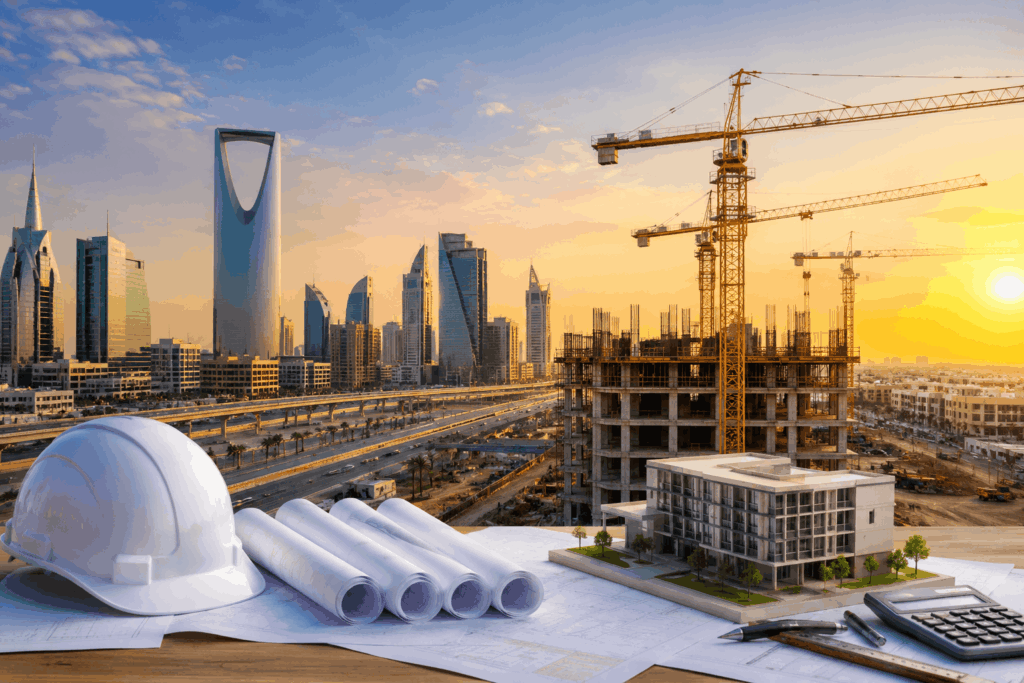
Saudi Arabia’s real estate landscape is evolving through new residential communities, commercial developments, mixed-use destinations, hospitality projects and modern urban infrastructure. Riyadh is at the center of much of this activity as population growth, business expansion and continued investment create demand for different types of property development.
A successful real estate development project, however, depends on more than overall market growth. Project type, location, land value, construction requirements, surrounding demand and the needs of future buyers or tenants all influence whether a development is commercially viable.
This guide explains the main types of real estate development projects in Saudi Arabia, the factors that affect development costs, differences between residential and commercial projects, key trends shaping the sector, and how developers can evaluate opportunities in Riyadh and other Saudi cities.
For the complete project lifecycle from feasibility to delivery, see our step-by-step real estate development process in Saudi Arabia.
Quick Answer: What Are the Main Real Estate Development Projects in Saudi Arabia?
Real estate development projects in Saudi Arabia generally fall into six major categories:
- Residential developments
- Commercial developments
- Mixed-use projects
- Land development
- Hospitality and tourism projects
- Industrial and logistics developments
Each serves a different market. Residential projects primarily respond to housing demand, commercial developments serve businesses and retailers, while mixed-use projects combine several property uses within one destination.
The right project type depends on location, market demand, permitted land use, development cost and the intended buyer or tenant.
Types of Real Estate Development Projects in Saudi Arabia
Residential Development Projects
Residential development includes apartment buildings, villas, residential compounds and integrated housing communities.
These projects may be developed for individual unit sales, long-term leasing or a combination of both. Their performance is closely connected to local housing demand, affordability, accessibility and the availability of surrounding services.
In Riyadh, residential development opportunities should be assessed at district level because demand, land prices and property preferences can differ considerably across the city.
Commercial Development Projects
Commercial real estate development includes:
- Office buildings
- Retail centers
- Commercial towers
- Business facilities
- Neighborhood commercial centers
Commercial developments generally depend more heavily on accessibility, business activity, visibility and tenant demand.
A successful commercial site therefore requires more than a high-profile location; it must match the needs of the businesses and customers the project intends to serve.
Mixed-Use Development Projects
Mixed-use developments combine two or more property uses within the same development.
A project may combine:
- Residential units
- Retail space
- Offices
- Hospitality
- Restaurants
- Community facilities
This type of development can create an integrated environment in which different uses support each other.
Large Saudi urban developments increasingly demonstrate the importance of integrated communities rather than isolated single-use buildings
Land Development Projects
Land development involves preparing land for residential, commercial or mixed-use development.
Depending on the project, this can involve:
- Planning
- Infrastructure preparation
- Access and road considerations
- Utility requirements
- Plot organization
- Preparing land for future construction
Land development should be evaluated according to its permitted use, surrounding infrastructure, demand and the economics of the intended future development.
Hospitality and Tourism Development
Hospitality projects include hotels, resorts, serviced residences and tourism-oriented developments.
Saudi Arabia’s broader economic diversification and tourism development have created new property-development models combining hospitality, entertainment, culture and residential uses. Major developments across the Kingdom demonstrate the growing diversity of this segment
Industrial and Logistics Development
Industrial and logistics real estate includes:
- Warehouses
- Distribution facilities
- Logistics centers
- Industrial properties
- Specialized operational facilities
These projects serve businesses that need production, storage, distribution or supply-chain infrastructure.
Their location decisions are often influenced by transport connectivity, industrial activity, access requirements and proximity to major business or logistics corridors.
What Is Driving Real Estate Development in Saudi Arabia?
Several structural factors are shaping property development across the Kingdom:
- Urban expansion
- Housing demand
- Infrastructure development
- Economic diversification
- Business growth
- Tourism development
- Increased demand for modern communities
- Greater access to real estate market data
Saudi Arabia’s Real Estate General Authority now provides regularly updated indicators covering sales and rental market activity, including data that can be examined by city and, for major cities, at district level. This improves market transparency and helps developers and investors make more data-informed decisions.
Real Estate Development Trends in Saudi Arabia in 2026
Several trends are particularly relevant to developers evaluating projects in Saudi Arabia in 2026.
More Integrated Developments
Modern projects increasingly combine residential, commercial, hospitality, entertainment and community functions instead of relying on a single property use.
Greater Focus on Riyadh
Riyadh continues to attract development activity across residential, commercial and mixed-use real estate.
The city’s scale means developers should evaluate opportunities district by district, rather than treating Riyadh as one uniform property market.
Data-Driven Site Selection
Official real estate indicators now allow users to examine transaction activity, transaction values, rental indicators and other market data for Saudi cities and major neighborhoods.
Sustainable and Efficient Buildings
Energy efficiency, water management, asset performance, operational efficiency and smart-building systems are becoming increasingly relevant when planning modern developments.
Why Riyadh Is an Important Real Estate Development Market
Riyadh is one of Saudi Arabia’s most important markets for residential and commercial development.
Opportunities across the city include:
- Apartment developments
- Villa communities
- Commercial centers
- Office properties
- Mixed-use projects
- Neighborhood developments
But the most important question is not simply:
“Is Riyadh a good market?”
It is:
Which Riyadh district, property type and target customer are suitable for this particular project?
The Real Estate General Authority’s official indicators provide market information at city and district level, allowing developers to compare activity instead of relying only on broad assumptions about Riyadh.
For a deeper location analysis, read our guide to choosing the best real estate project location in Riyadh.
How Much Does a Real Estate Development Project Cost in Saudi Arabia?
There is no single standard cost for a real estate development project in Saudi Arabia.
The total development budget depends on factors such as:
- Land acquisition cost
- City and district
- Project type
- Land area
- Built-up area
- Construction specifications
- Building systems
- Infrastructure requirements
- Professional and design services
- Government approvals
- Financing
- Marketing and sales
- Project management
For example, the economics of an apartment development will differ substantially from those of a commercial tower or mixed-use destination.
Therefore, development costs should be calculated for the specific site and project concept, rather than relying on a generic Saudi-wide construction estimate.
Key Factors Affecting Real Estate Development Costs
| Factor | Effect on Development Cost |
|---|---|
| Land | Prices vary significantly by city, district, location and permitted use. |
| Project Type | Residential, commercial and mixed-use projects require different specifications. |
| Built-up Area | Larger construction areas generally increase the total development budget. |
| Design & Specifications | Architecture, finishes, systems and amenities affect construction costs. |
| Infrastructure | Site preparation, utilities and access requirements may increase development costs. |
| Approvals | Requirements vary depending on project type and location. |
| Financing | Financing structure and development period affect overall project economics. |
| Marketing & Sales | Requirements differ between projects developed for sale, lease or operation. |
Residential vs Commercial Real Estate Development
| Factor | Residential Development | Commercial Development |
|---|---|---|
| Typical Assets | Apartments, villas and residential compounds. | Offices, retail spaces and commercial buildings. |
| Main Demand Source | Individuals and families. | Businesses, retailers and organizations. |
| Revenue Model | Property sales or residential leasing. | Property sales or commercial leasing. |
| Location Sensitivity | High. | Very high. |
| Primary Users | Residents. | Businesses and commercial tenants. |
| Key Consideration | Housing demand and affordability. | Business demand and potential vacancy. |
Which Is Better?
Neither residential nor commercial real estate development is automatically more profitable.
The stronger option depends on:
Location + Demand + Acquisition Cost + Development Cost + Target Market + Revenue Model
This is why project feasibility should be evaluated before selecting a development model.
Real Estate Development Projects by Abdulmohsin Al Rossais & Sons Group Co.
Real project experience is important when evaluating a real estate developer.
Abdulmohsin Al Rossais & Sons Group Co. has developed and managed projects in Riyadh across residential and commercial real estate.
Al-Manar Project
Al-Manar Project demonstrates the Group's involvement in Riyadh real estate development across residential and commercial uses.
Tuwaiq Center
Tuwaiq Center is part of the Group's development presence in western Riyadh.
Tuwaiq Highlights
Tuwaiq Highlights represents another development associated with the growing Tuwaiq area of Riyadh.
Durrat Tuwaiq
Durrat Tuwaiq adds to the Group's residential development portfolio in Riyadh.
Centra Tower
Centra Tower represents the Group's experience across a different real estate development format.
Explore additional developments on the Al Rossais Projects page.
How Should Developers Evaluate a Real Estate Development Opportunity?
Before selecting a project, developers should evaluate five core questions:
1. Is there real demand?
Identify who will buy, lease or use the completed property.
2. Is the location suitable for that demand?
A location that works for residential development may not automatically suit offices, retail or hospitality.
3. Does the project type fit the site?
Land use, surrounding development, access and target customers should support the planned development.
4. Are the project economics viable?
Land, construction and other project costs must be assessed against realistic sales, leasing or operating expectations.
5. What does current market data show?
Developers can use Saudi Arabia’s official Real Estate Indicators Platform to examine property-market data by location and property type before making major assumptions.
For the detailed stages that follow project selection, read the real estate development process in Saudi Arabia.
Sustainable Development in Modern Saudi Real Estate Projects
Sustainability is increasingly connected to the long-term performance of real estate assets.
Important considerations can include:
- Energy efficiency
- Water efficiency
- Building systems
- Operational efficiency
- Smart-building technology
- Asset durability
- Integration with surrounding infrastructure
The goal is not only environmental performance. Efficient buildings may also improve operating performance and long-term usability.
Conclusion
Real estate development projects in Saudi Arabia span residential, commercial, mixed-use, land, hospitality, industrial and logistics development.
There is no single project type that is best for every location. Successful development begins by matching the property type, site, market demand, project economics and intended end user.
Riyadh remains an important development market, but opportunities should be evaluated at district and property-type level using current market information rather than broad assumptions.
For organizations seeking professional development support, learn more about Al Rossais Real Estate Development Services.
FAQ
Frequently Asked Questions
The main types are residential, commercial, mixed-use, land development, hospitality and tourism, and industrial or logistics projects. The appropriate model depends on the location, intended use and market demand.
Riyadh includes residential apartment and villa developments, commercial buildings, neighborhood centers, offices and mixed-use projects. The suitability of each type varies by district and target market.
There is no fixed national development cost. Costs depend on land value, location, built-up area, project type, specifications, infrastructure, approvals, financing and project management requirements.
Neither is automatically better. Residential development is primarily linked to housing demand, while commercial development depends heavily on business activity, tenant demand and location. Project feasibility determines which model is more appropriate.
Developers can use the Real Estate General Authority’s Real Estate Indicators Platform to examine updated sales and rental indicators by city, property type and, for major cities, neighborhood.
Developers should evaluate location, market demand, land use, acquisition cost, construction requirements, target customers, project economics and the intended sales, leasing or operating model.
Real estate investment may involve acquiring an existing property to generate income or capital appreciation. Real estate development creates or materially transforms property through planning, design, construction, infrastructure and project execution.
