April 25, 2026/
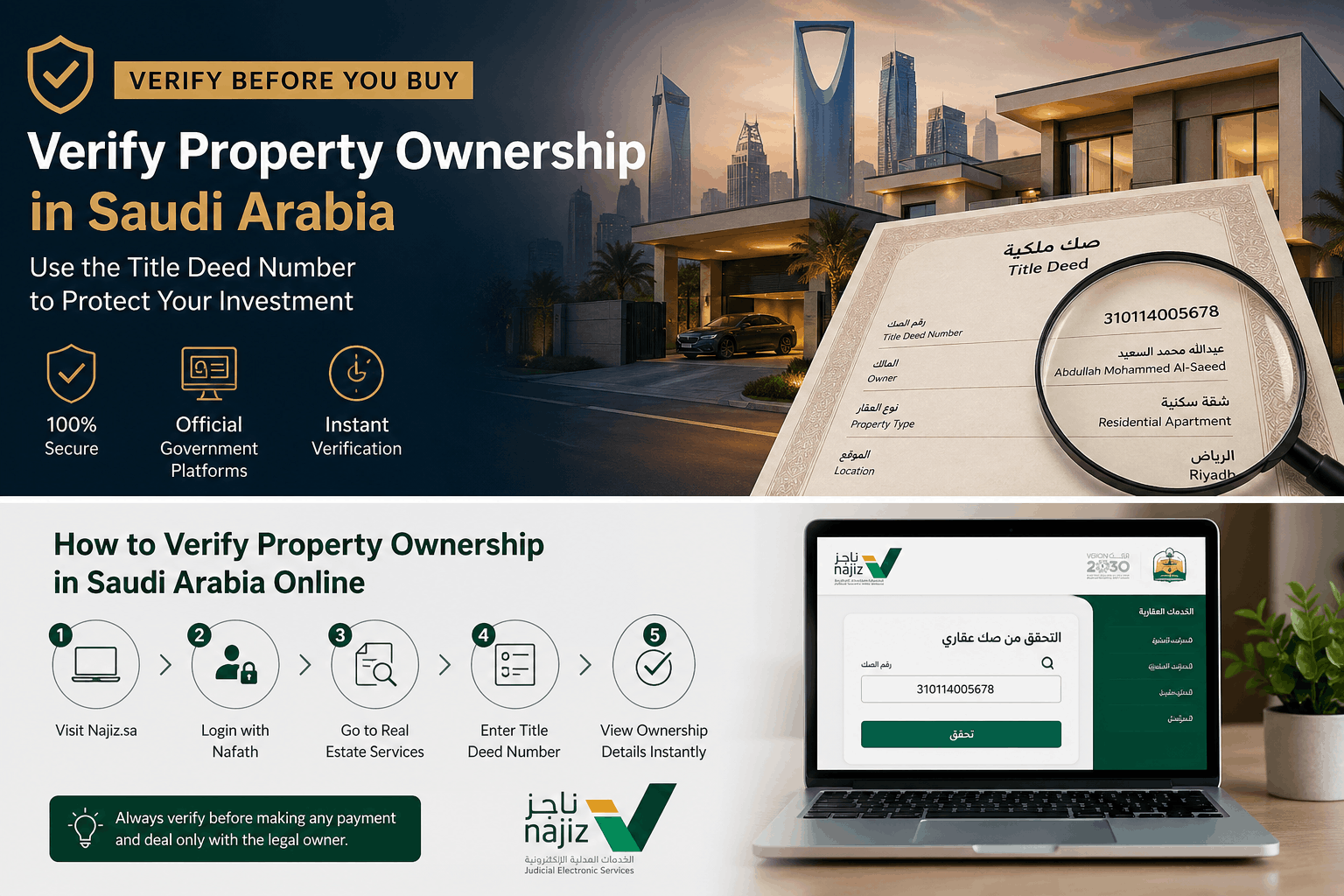
How to Verify Property Ownership in Saudi Arabia Before Buying (Using Title Deed Number) Buying property in Saudi Arabia can...
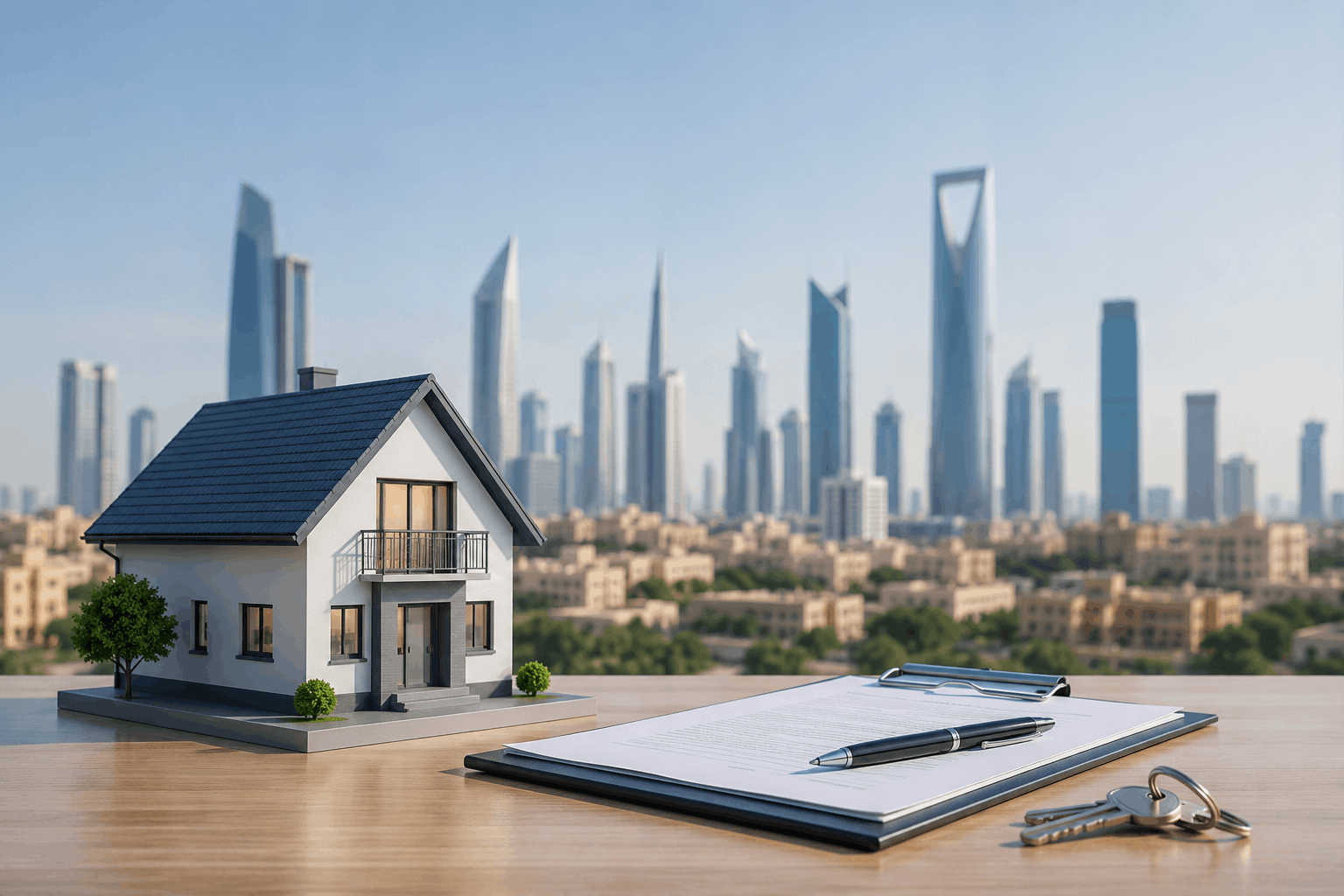
Saudi Arabia’s real estate market is growing rapidly, especially in Riyadh where demand for residential and commercial rental properties continues to increase. As part of Vision 2030 and the Kingdom’s digital transformation strategy, organized leasing systems have become essential for improving transparency, protecting legal rights, and supporting long-term real estate growth.
The real estate rental system in Saudi Arabia is a digital framework designed to regulate rental agreements through Ejar, helping landlords, tenants, and investors manage leasing processes more efficiently and securely.
Today, Saudi Arabia’s digital rental system plays a major role in improving property management efficiency and supporting long-term real estate investment. With Riyadh experiencing continuous urban expansion, professionally managed leasing systems are becoming increasingly important for maintaining stable and organized rental operations.
In this guide, we explain how the Saudi real estate rental system works, the role of Ejar, the key conditions of digital rental agreements, and why organized leasing has become a major part of modern property management in Saudi Arabia.
The real estate rental system in Saudi Arabia is an organized digital leasing framework that regulates rental agreements and improves transparency in the property market through Ejar.
The system was introduced to modernize leasing operations and create officially documented agreements that protect the legal and financial rights of landlords and tenants.
As Saudi Arabia’s property sector continues to expand, especially in Riyadh, organized rental systems are becoming increasingly important for managing residential and commercial properties more efficiently.
The Saudi rental system helps:
Today, many landlords and real estate investors rely on digital leasing systems to improve long-term rental stability and simplify property operations.
Saudi Arabia’s rental market is experiencing strong growth driven by population expansion, urban development, and increasing real estate investment activity.
Riyadh continues to witness high demand for:
As the market grows, organized rental systems have become increasingly important for maintaining leasing stability and improving operational standards across the property sector.
The Saudi rental system helps:
According to real estate market trends in Riyadh, professionally managed rental properties are becoming increasingly preferred by investors seeking stable long-term returns.
Ejar is Saudi Arabia’s official electronic leasing platform designed to organize and document rental agreements within a unified digital system.
The platform connects landlords, tenants, and real estate service providers to simplify leasing procedures and improve transparency across the market.
Once finalized, the agreement becomes electronically documented and officially recognized.
Electronic leasing systems help:
Many property management companies in Riyadh now depend heavily on digital leasing systems because they simplify operations and reduce disputes between landlords and tenants.
The unified rental agreement contains important conditions designed to organize the relationship between landlords and tenants clearly and fairly.
Rental agreements generally define:
Clearly defining payment conditions helps improve leasing stability and reduce misunderstandings.
Rental agreements also clarify:
Understanding these responsibilities is essential for maintaining long-term property performance and tenant satisfaction.
Digital rental agreements usually include:
Clearly defined conditions improve transparency and reduce operational conflicts.
| Traditional Contracts | Digital Rental Agreements |
|---|---|
| Paper-based | Electronic |
| Less organized | Officially documented |
| Higher dispute risk | Better legal protection |
| Slower procedures | Faster approvals |
| Manual management | Easier digital tracking |
Digital leasing systems are becoming increasingly preferred in Saudi Arabia due to their efficiency and stronger legal reliability.
Saudi Arabia’s organized rental framework improves leasing transparency and helps create more secure rental relationships.
The system supports:
As the Saudi property market continues to expand, professionally managed leasing systems are becoming essential for maintaining trust and long-term market stability.
Even with digital leasing systems, some mistakes can still create operational or legal problems.
Important mistakes to avoid include:
Real estate professionals often recommend reviewing all agreement details carefully before completing the leasing process.
Saudi Arabia’s organized leasing environment is helping improve investment confidence across the property sector.
Riyadh continues to attract major residential and commercial developments, increasing the need for professionally managed rental properties.
Organized leasing systems help investors:
Professional leasing systems contribute to:
As Saudi Arabia’s real estate sector continues to grow, organized rental systems are becoming increasingly important for long-term investment success.
Investors can also explore property management solutions and real estate investment opportunities in Riyadh to better understand Saudi Arabia’s evolving rental market.
Selecting a professional property management company plays an important role in maintaining property value and operational efficiency.
Investors should look for companies with:
Professional management helps property owners reduce operational challenges while improving long-term investment performance.
Abdulmohsin Al Rossais & Sons Group Co. is one of Riyadh’s leading real estate companies, offering integrated property leasing and management solutions backed by more than 75 years of experience in Saudi Arabia’s real estate sector.
The company provides:
RIYADH
RIYADH
RIYADH
RIYADH
RIYADH
RIYADH
With extensive experience in Saudi Arabia’s evolving property market, the company continues to support investors, property owners, and tenants through reliable and professionally managed real estate solutions.
The real estate rental system in Saudi Arabia has become an important part of organizing the Kingdom’s rapidly growing property market. Through Ejar and digital leasing systems, landlords, tenants, and investors benefit from stronger transparency, improved operational efficiency, and better legal protection.
As Riyadh continues to experience major residential and commercial growth, organized leasing systems are expected to play an even bigger role in supporting real estate investment and long-term property stability across Saudi Arabia.
The continued digital transformation of Saudi Arabia’s real estate sector is making professional leasing management more important than ever for investors, property owners, and developers seeking sustainable growth in the Kingdom’s evolving property market.
How to Verify Property Ownership in Saudi Arabia Before Buying (Using Title Deed Number) Buying property in Saudi Arabia can...
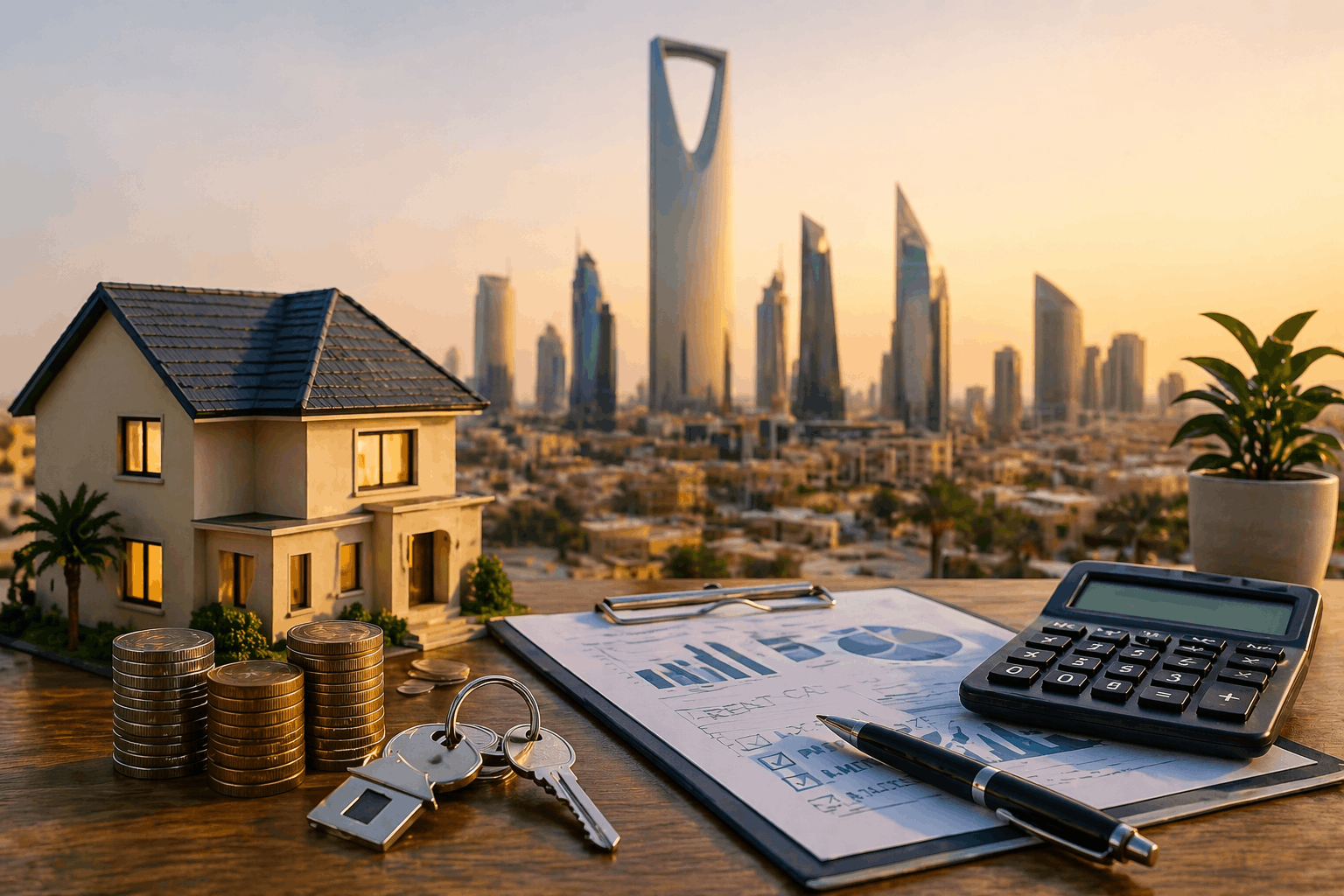
How Rental Prices Are Calculated in Saudi Arabia (2026 Guide + Real Riyadh Examples & Hidden Factors) The real estate...
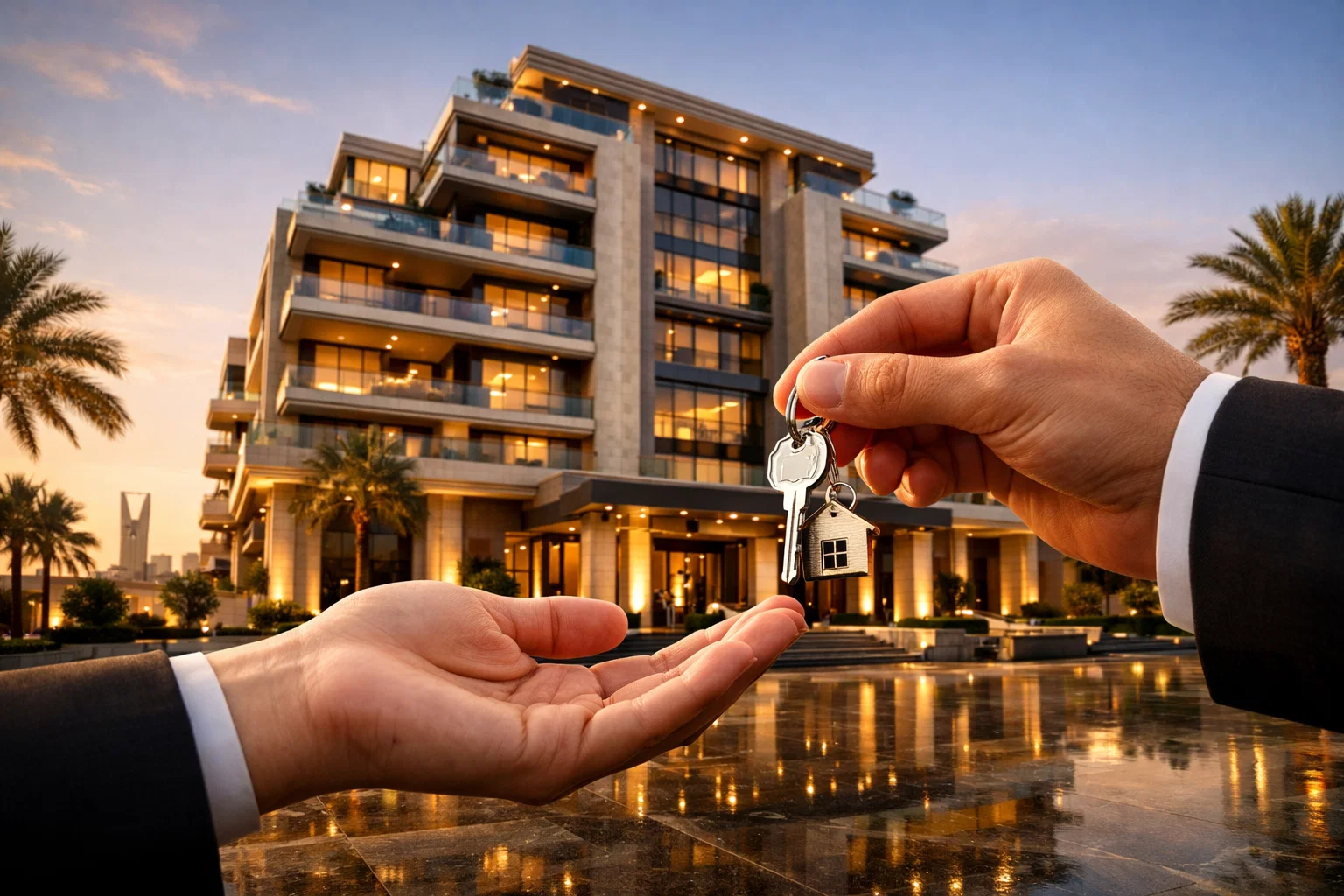
Property Transfer in Saudi Arabia: Complete Ownership Transfer Process, Fees & Timeline (2026 Guide) Understanding the property transfer in Saudi...