Land Development and Infrastructure in Saudi Arabia: How to Start a Profitable Project from Scratch
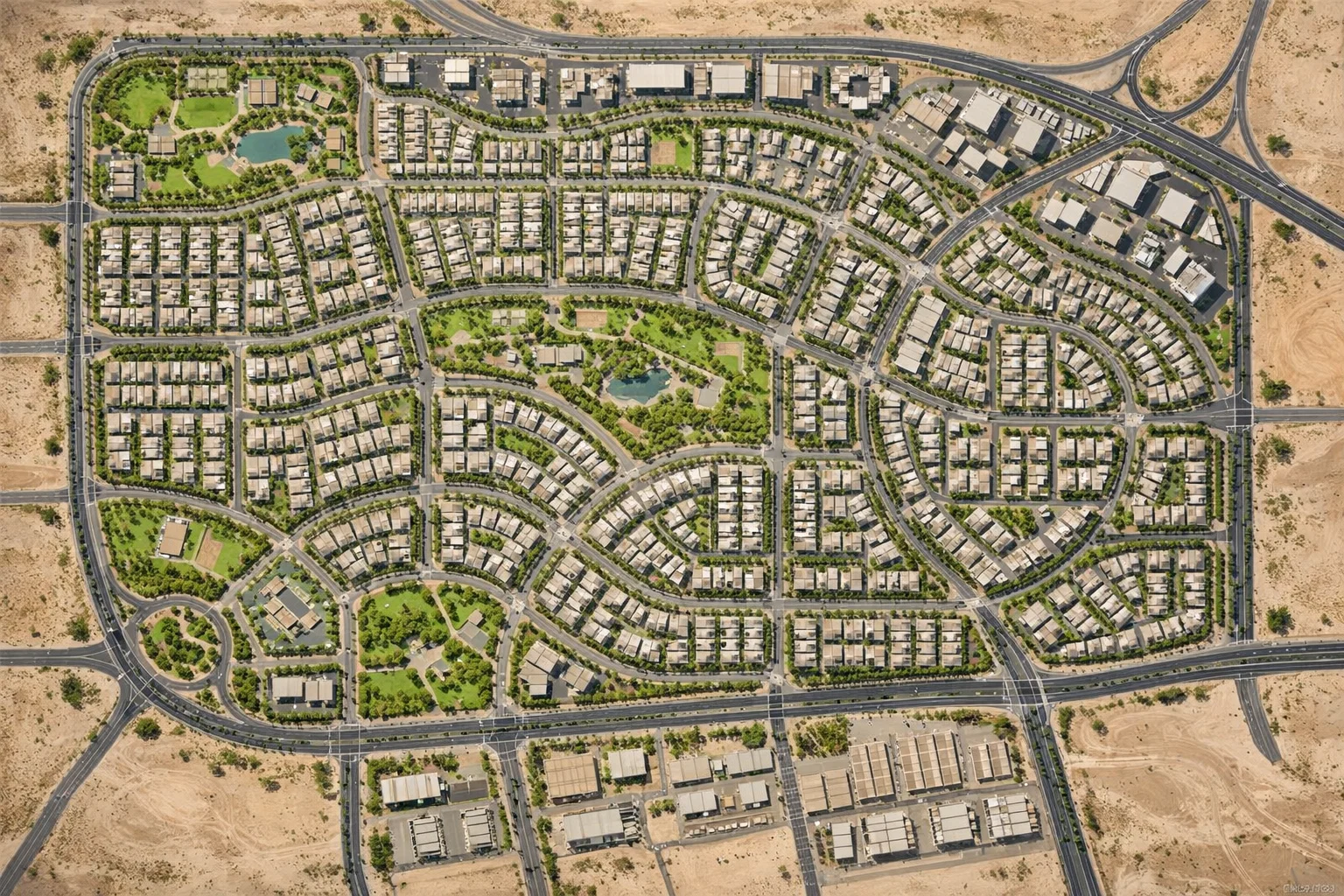
Saudi Arabia’s real estate sector is undergoing a major transformation, driven by rapid urban expansion and ambitious projects aligned with Vision 2030. Among the most lucrative opportunities in this evolving market is land development and infrastructure investment, especially in high-growth cities like Riyadh.
However, success in this field is not based on luck — it requires strategic planning, market understanding, and professional execution.
So the key question is:
How can you start a land development project from scratch and turn it into a high-return investment?
This practical guide walks you through the entire process, helping investors, developers, and property stakeholders make informed decisions and maximize returns.
complete real estate development process in Saudi Arabia from planning to execution for investors
Quick Answer: How to Start a Land Development Project in 5 Steps
If you want a clear starting point, follow these essential steps:
- Conduct a detailed feasibility study
- Choose a strategic and high-growth location
- Obtain all required permits and approvals
- Plan and develop infrastructure
- Market and sell the developed land effectively
These steps form the foundation of any successful land development project in Saudi Arabia.
What is Land Development and Infrastructure?
Land development is the process of transforming raw land into a functional and valuable real estate asset.
Infrastructure development includes:
- Road networks
- Water and sewage systems
- Electricity supply
- Telecommunications
Without proper infrastructure, land has limited value. With it, the same land can become a highly profitable investment.
Why Land Development is a High-Return Investment in Saudi Arabia
Saudi Arabia offers a unique environment for land development due to several key factors:
- Strong demand for residential and commercial land
- Continuous urban expansion in Riyadh and major cities
- Government-backed initiatives supporting real estate growth
According to market observations in Riyadh, developed land in emerging areas often achieves significantly higher value compared to undeveloped plots, especially when supported by modern infrastructure.
How Infrastructure Directly Increases Land Value
Infrastructure is one of the most critical drivers of land value:
- It makes land usable and attractive to buyers
- It accelerates project sales and demand
- It increases pricing potential and investment returns
Well-planned infrastructure transforms land from a passive asset into an active revenue-generating opportunity.
Raw Land vs Planned Land: Key Differences
| Type | Description | Best For |
|---|---|---|
| Raw Land | No infrastructure or services | Higher return investors |
| Planned Land | Partially developed with services | Lower risk investors |
Choosing between the two depends on your budget, experience, and investment goals.
Step-by-Step Process of Land Development
1. Feasibility Study and Market Analysis
This is the most critical step. It includes:
- Understanding demand in the target area
- Identifying the right type of development (residential, commercial, mixed-use)
Expert insight: Successful projects begin with accurate data and realistic projections.
2. Choosing the Right Location
Location determines project success:
- Accessibility to major roads and services
- Future development potential of the area
3. Permits and Regulatory Approvals
Before starting development, you must:
- Comply with Saudi regulations
- Obtain approvals from relevant authorities
Delays in this stage can impact the entire project timeline.
4. Infrastructure Planning
This phase includes:
- Land subdivision and layout design
- Planning roads, utilities, and services
A well-structured plan ensures long-term project success.
5. Project Execution and Management
Execution requires:
- Professional project management
- Quality control at every stage
6. Marketing and Sales Strategy
Once development is complete:
- Set competitive pricing
- Target the right buyers and investors
Cost of Land Development in Saudi Arabia
Costs vary depending on:
- Location
- Project size
- Infrastructure complexity
Strategic planning helps control costs while maximizing profitability.
Return on Investment (ROI) in Land Development
Land development offers strong ROI potential:
- Purchase land at lower cost
- Increase value through development
- Sell at higher market rates
The key to maximizing ROI is efficient planning and execution.
Real Example: Land Development in Riyadh
Consider a residential land development project in a growing district of Riyadh:
- Acquisition of raw land in a developing zone
- Implementation of full infrastructure
- Subdivision into residential plots
Result:
Significant increase in land value and strong investor demand.
Common Challenges and How to Overcome Them
- Delays in permits
- Rising development costs
- Poor planning decisions
Solution:
Work with experienced professionals and follow a structured approach.
how to choose the best real estate project location in Riyadh based on growth potential and market demand
Do You Need a Professional Real Estate Developer?
While it is possible to manage a project independently, working with an experienced developer significantly reduces risks.
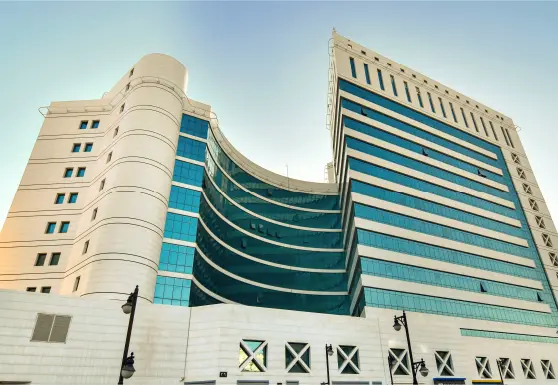
Abdulmohsin Al Rossais & Sons Group Co. is a trusted name in Saudi Arabia’s real estate sector, with over 75 years of experience in delivering successful development projects in Riyadh.
Expert Tips for Successful Land Development
- Always start with a feasibility study
- Focus on high-growth locations
- Invest in quality infrastructure
- Partner with experienced developers
Frequently Asked Questions
Starting a land development project in Saudi Arabia requires a clear process that includes conducting a feasibility study, selecting a strategic location, obtaining regulatory approvals, developing infrastructure, and executing a structured marketing and sales plan to ensure profitability.
Yes, land development is considered one of the most profitable real estate investments in Riyadh, especially in emerging areas where infrastructure development significantly increases land value and demand among investors and buyers.
The main costs include land acquisition, infrastructure development (roads, utilities, and services), regulatory approvals, project management, and marketing. Proper planning helps optimize costs and maximize return on investment.
The timeline depends on project size and complexity, but most land development projects typically take several months to a few years, including planning, approvals, infrastructure development, and sales phases.
Land development focuses on preparing land by adding infrastructure such as roads and utilities, while real estate construction involves building residential, commercial, or mixed-use properties on that developed land.