How Rental Prices Are Calculated in Saudi Arabia (2026 Guide + Real Riyadh Examples & Hidden Factors)
The real estate market in Saudi Arabia is growing rapidly, especially in Riyadh, where demand for residential and commercial properties continues to increase every year. As more people move to urban areas and large-scale developments expand, one question is being asked more than ever:
How are rental prices in Saudi Arabia actually calculated, and why do they vary so significantly between different areas?
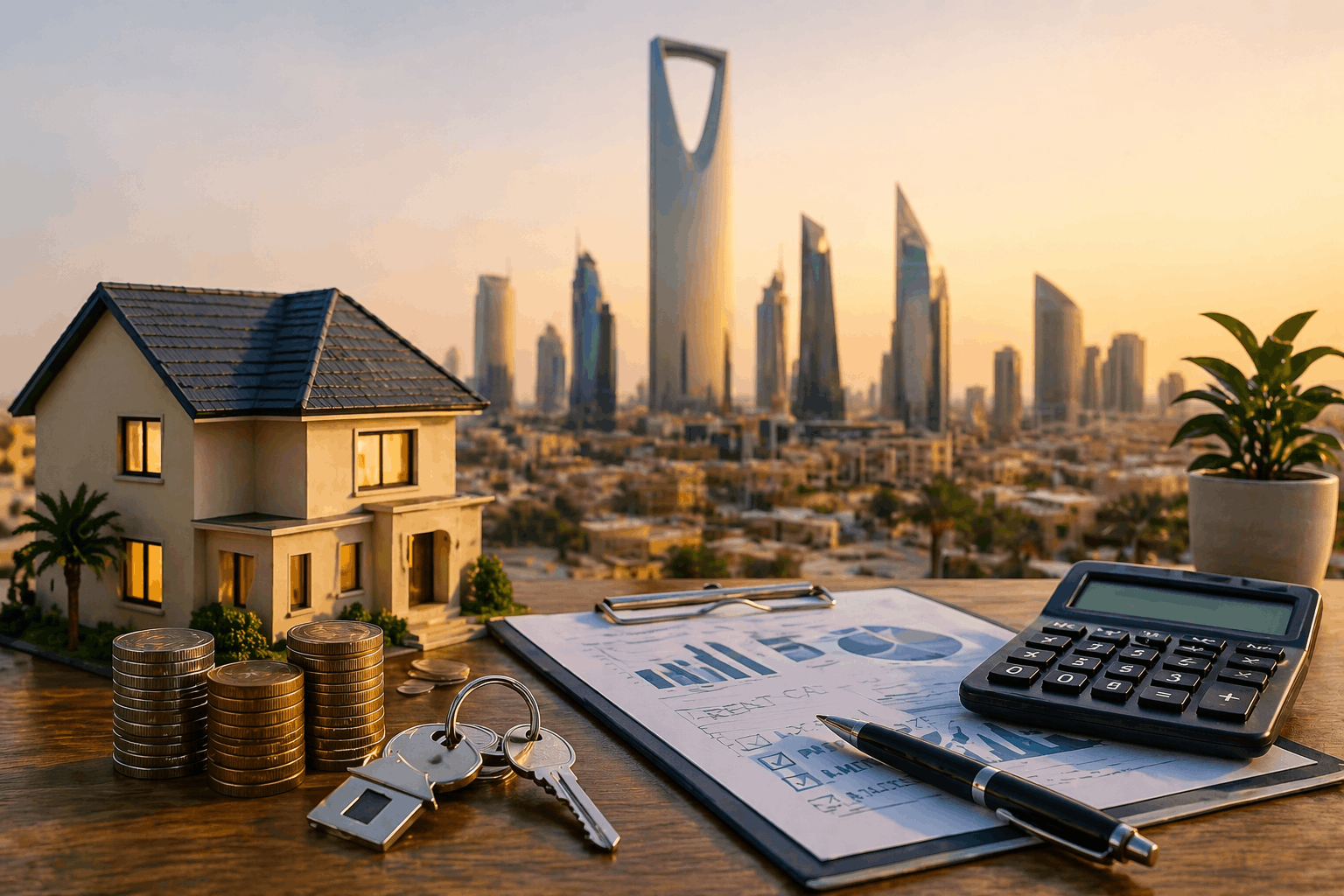
Understanding rental prices in Saudi Arabia is no longer optional—it is essential. Whether you are a tenant looking to save money or an investor aiming to maximize returns, knowing how rent works gives you a clear advantage.
Rental demand in Riyadh has increased significantly in recent years, particularly in key districts, leading to a steady rise in rental prices.
In this complete guide, you will learn how rental prices in Saudi Arabia are calculated, what factors influence them, real examples from Riyadh, and practical strategies to get the best value in 2026.
Learn how to create and manage a rental contract in Saudi Arabia step by step using the official Ejar system for secure and transparent leasing
How Are Rental Prices in Saudi Arabia Calculated?
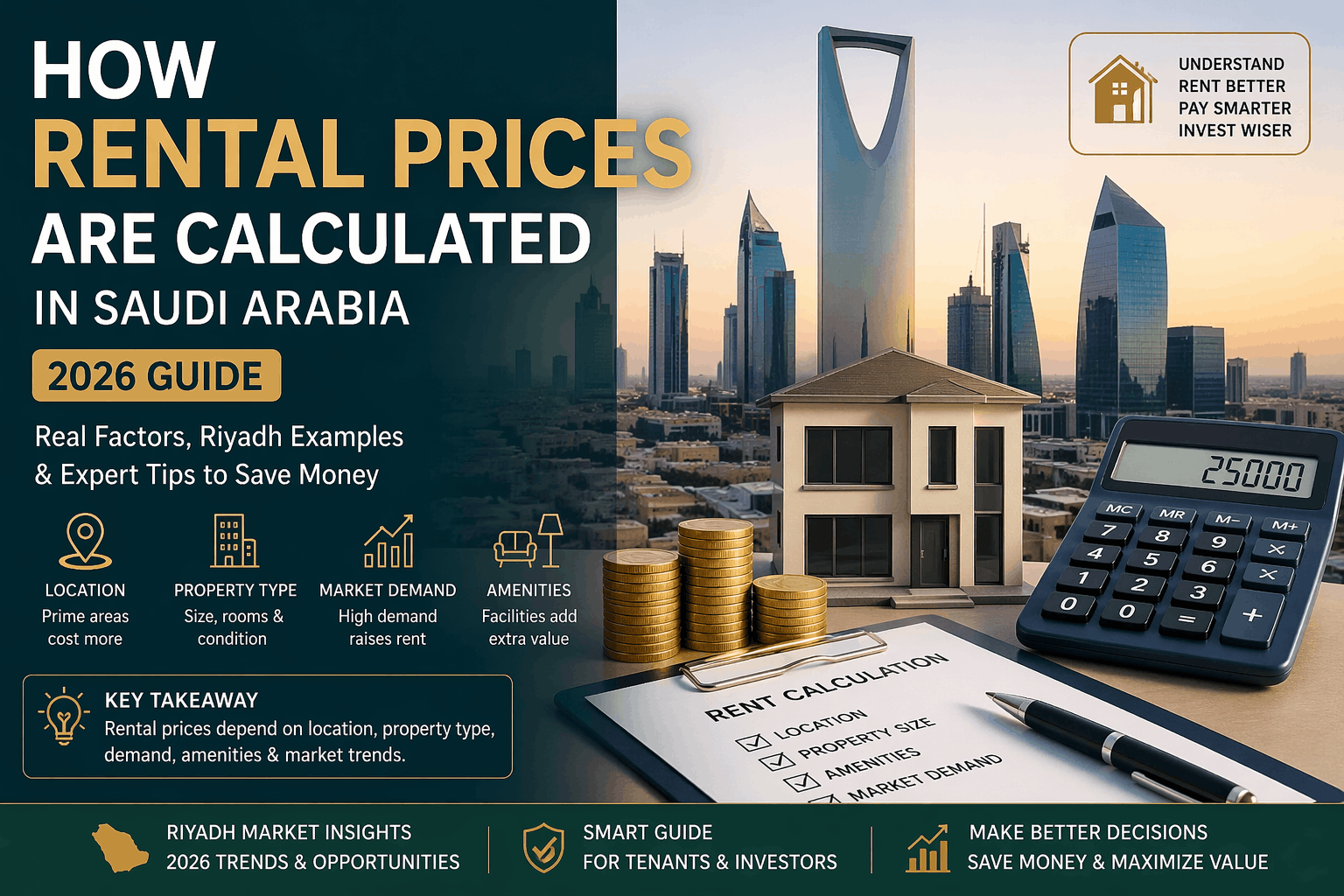
Rental prices in Saudi Arabia are calculated based on location, property type, demand levels, property condition, amenities, and overall market trends.
In simple terms, properties in prime locations with high demand and better facilities always command higher rental prices.
Step-by-Step: How Rent Is Calculated in Saudi Arabia
Rental pricing follows a structured approach used by landlords and real estate professionals.
Rental Pricing Formula
- Base rent (average price in the area)
- Location premium (prime vs developing areas)
- Property size and layout
- Amenities (parking, security, facilities)
- Property condition (new or old) Market demand
Final Rent = Combined value of all factors annually
Real Example from Riyadh (Practical Case Study)
Let’s look at a real-world scenario:
- Location: Tuwaiq District, West Riyadh
- Property: 3-bedroom apartment
- Base rent: SAR 20,000
- Amenities: + SAR 3,000
- High demand adjustment: + SAR 2,000
Final annual rent = SAR 25,000
This clearly shows that rental prices are calculated based on logical factors, not random estimates.
Key Factors That Affect Rental Prices in Saudi Arabia
Location is the biggest driver of rental prices in Saudi Arabia. Prime areas in Riyadh—close to business hubs, schools, and main roads—have significantly higher rents than developing areas.
Property Type and Size
Apartments, villas, and commercial units all have different pricing structures. Larger properties with more rooms naturally cost more.
Property Condition and Finishing Quality
New or renovated properties with modern finishes attract higher rental values compared to older buildings.
Role of the Ejar System
The Ejar platform helps regulate rental agreements by:
- Standardizing contracts
- Increasing transparency
- Protecting landlords and tenants
Explore the Riyadh real estate market trends in 2026 and understand how rental demand, pricing, and investment opportunities are evolving across key districts
📊 Rental Prices in Saudi Arabia: City Comparison
| City | Rental Level | Demand Level |
|---|---|---|
| Riyadh | High | Very High |
| Jeddah | Medium | High |
| Dammam | Lower | Medium |
Rental Market Trends in Saudi Arabia
Rental prices in Saudi Arabia are expected to continue rising due to:
- Population growth
- Increased urban migration
- Vision 2030 development projects
- Growing demand for housing in Riyadh
Riyadh remains the most competitive rental market in the Kingdom.
What Causes Rental Prices to Increase or Decrease?
Rent Increases When:
- The property is in a prime location
- The building is new or modern
- High-end amenities are available
Rent Decreases When:
- The property is older
- Demand is low
- The area is less developed
Hidden Factors That Impact Rent (Most People Ignore)
- Distance to metro stations
- Access to highways
- Nearby schools and business centers
- Building reputation and maintenance quality
These hidden factors can significantly affect rental pricing.
Why Two Similar Properties Have Different Rent
Example:
- Apartment A: SAR 20,000
- Apartment B: SAR 28,000
The difference is due to:
- Location advantage
- Building quality
- Amenities and services
Should You Rent Now in Saudi Arabia? (Smart Decision Guide)
With rising rental prices in Saudi Arabia, renting now may be a smart decision in high-demand areas like Riyadh before prices increase further.
However, exploring emerging areas can help you find better value.
Expert Tips to Save Money on Rent
- Compare multiple properties before deciding
- Negotiate long-term contracts
- Choose developing areas with growth potential
- Inspect the property carefully before signing
Understand how professional property management in Saudi Arabia helps landlords optimize rental prices, maintain properties, and maximize long-term returns
Why Abdulmohsin Al Rossais & Sons Group Co. Is a Trusted Choice
With over 75 years of experience, Abdulmohsin Al Rossais & Sons Group Co. is a leading real estate developer in Saudi Arabia.
The company is known for:
- High-quality developments in Riyadh
- Deep understanding of market trends
- Reliable residential and investment solutions
Frequently Asked Questions
The average rent in Riyadh varies depending on location and property type, but apartments typically range from SAR 1,500 to SAR 4,000 per month, with higher prices in prime areas due to strong demand.
Rental prices in Saudi Arabia are calculated based on location, property type, size, demand, amenities, and market conditions, with final prices determined by combining these key factors.
Rental prices in Riyadh are higher because of increased demand, economic activity, population growth, and the concentration of business and government sectors in the city.
Yes, rental prices are expected to rise in major cities like Riyadh due to population growth, urban expansion, and ongoing real estate developments under Vision 2030.
Cheaper rental areas are usually located in developing districts or outskirts of the city, where demand is lower but future growth potential is higher.
Tenants can reduce rental costs by comparing multiple listings, negotiating long-term contracts, choosing emerging areas, and avoiding peak rental seasons.