November 15, 2025/
No Comments
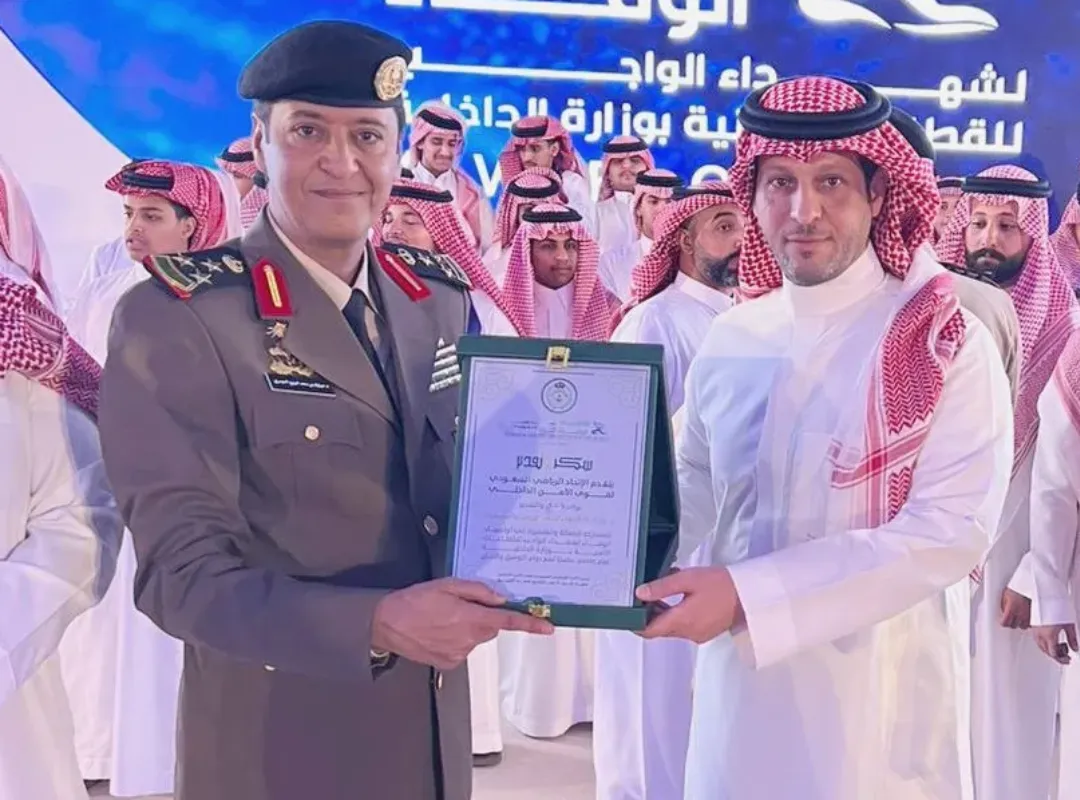
As part of its continuous commitment to social responsibility, Al-Rassais Group and Sons participated in supporting the events of the...
Saudi Arabia is experiencing one of the fastest urban transformations in the region. Major infrastructure projects, rapid population growth, and ambitious national initiatives under Saudi Vision 2030 are reshaping cities across the Kingdom.
As a result, real estate development in Saudi Arabia has become one of the most important sectors driving economic growth and urban expansion. New residential communities, commercial districts, and mixed-use developments are being built to meet the increasing demand for modern living and business environments.
comprehensive real estate development services in Riyadh provided by Abdulmohsin Al Rossais & Sons Group Co.
Property development is not simply about constructing buildings. It is a strategic process that involves planning, financial analysis, design, construction, marketing, and long-term property management. Successful developments create value for investors while also contributing to the growth of sustainable urban communities.
With more than 75 years of experience in the Saudi real estate sector, Abdulmohsin Al Rossais & Sons Group Co. has contributed to the development of residential and commercial projects that support the expansion of Riyadh’s urban landscape.
This comprehensive guide explains how real estate development works, the stages involved in property development projects, and the investment opportunities available in the Saudi real estate market.
As part of its continuous commitment to social responsibility, Al-Rassais Group and Sons participated in supporting the events of the...
Real estate development refers to the process of transforming land or underutilized property into valuable real estate assets such as residential communities, office buildings, retail centers, or mixed-use developments.
A real estate development project typically involves several activities, including:
Because of the complexity of this process, successful property development requires strong expertise in project management, finance, urban planning, and market analysis.
A real estate developer is responsible for managing the entire development process from concept to completion.
Developers coordinate multiple stakeholders involved in the project, including architects, engineers, contractors, consultants, and marketing teams.
Typical responsibilities of property developers include:
Professional developers play a crucial role in ensuring that projects are delivered on time, within budget, and according to quality standards.
Saudi Arabia’s real estate sector has grown significantly over the past decade due to a combination of economic and demographic factors.
Cities such as Riyadh, Jeddah, and Dammam are experiencing rapid growth, creating strong demand for housing, office spaces, retail centers, and entertainment destinations.
Urban development projects are expanding residential districts and creating new commercial zones that support business growth and community development.
Saudi Vision 2030 has placed significant emphasis on housing, infrastructure, and urban development.
Government initiatives aim to:
These initiatives have created new opportunities for real estate developers and investors across the Kingdom.
As cities grow and populations increase, the demand for new developments continues to rise.
Key areas of demand include:
This growing demand is driving investment in property development projects in Saudi Arabia.
completion of the Alya Tuwaiq residential development project in West Riyadh
Developing a successful property project requires careful planning and a structured approach.
Every development project begins with a feasibility study that evaluates the financial viability of the project.
Developers analyze:
A detailed feasibility study helps investors determine whether the project will be profitable.
Location is one of the most important factors in the success of real estate development projects.
Developers evaluate several factors when selecting land, including:
Choosing the right location significantly increases the value of the project.
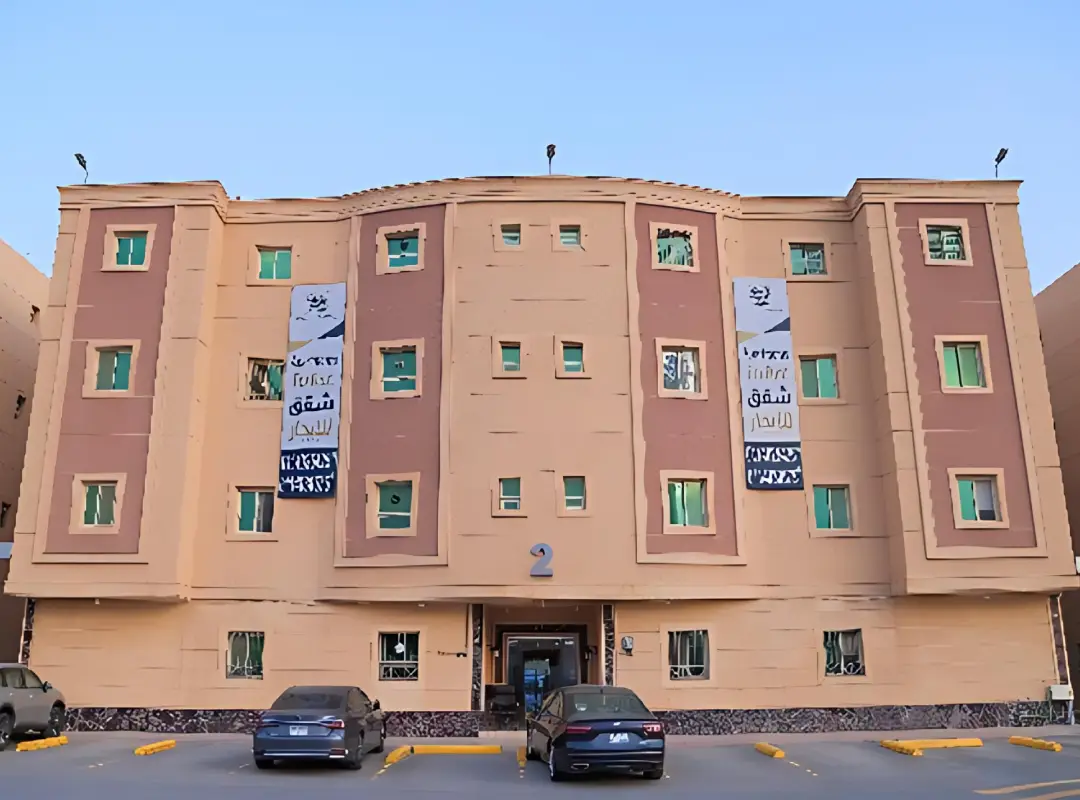
Al-Rossais Group has acquired a residential complex in the Al-Sahafa district of Riyadh, near the Financial Center. The property extends...
Once land is secured, the next stage involves project planning and architectural design.
This stage includes:
Effective planning ensures that the development aligns with both regulatory requirements and market expectations.
The construction phase is where the project begins to take physical form.
Developers oversee the work of contractors and construction teams to ensure that the project is delivered according to schedule and quality standards.
Key responsibilities include:
Professional project management helps ensure successful completion of the development.
Marketing is an essential component of successful property development.
Developers promote their projects through:
These strategies help attract buyers, investors, and tenants.
After construction is completed, the development enters the operational phase.
Property management includes:
Effective property management ensures long-term value and profitability for the development.
Real estate development projects can vary depending on the intended use of the property.
Residential developments include housing projects such as:
This sector represents one of the largest segments of the Saudi property market.
Commercial real estate projects are designed for business activities.
Examples include:
These developments support economic growth and provide spaces for businesses.
Mixed-use developments combine residential, commercial, and leisure spaces within a single project.
These developments often include:
Such projects create vibrant urban communities where people can live, work, and socialize.
Land development involves preparing land for future construction.
This process includes:
Land development plays a key role in expanding cities and enabling new real estate projects.
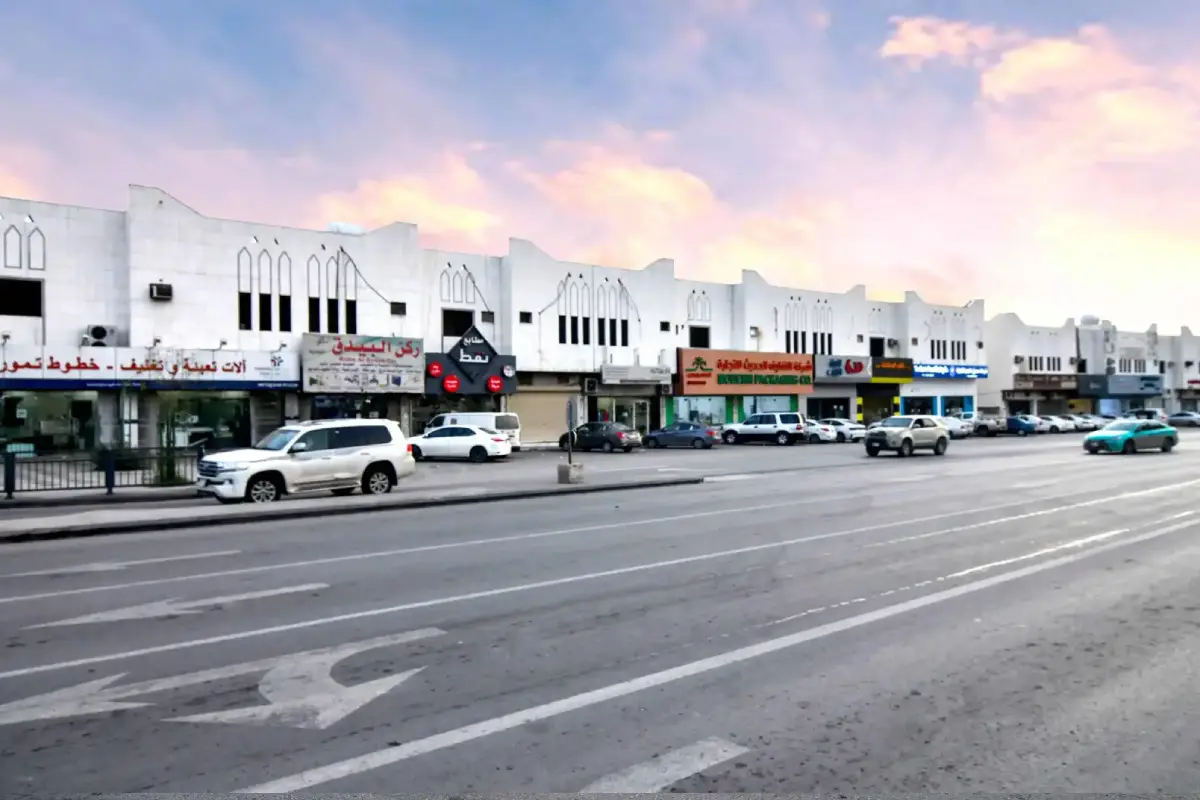
Al-Rassais expansion strategy through acquiring 55 land plots near Roshn Stadium in Riyadh
Several factors influence the success of real estate development projects.
Important success factors include:
Developers who carefully manage these factors are more likely to achieve successful outcomes.
Despite its opportunities, property development also involves challenges.
Common challenges include:
Experienced developers mitigate these risks through careful planning and professional project management.
Abdulmohsin Al Rossais & Sons Group Co. is one of the established names in the Saudi real estate industry.
With over 75 years of experience, the company has contributed to the development of residential and commercial properties that support urban growth in Riyadh.
The company’s expertise includes:
Through its projects, the company continues to play a role in shaping modern urban communities in Saudi Arabia.
Property developers typically generate profit by increasing the value of land through planning, construction, and infrastructure improvements. Revenue usually comes from selling completed units, leasing commercial spaces, or holding the property as a long-term income-producing asset.
Successful property development requires expertise in several areas including market research, financial analysis, project management, construction planning, and real estate marketing. Developers must also understand local regulations, urban planning principles, and investment risk management.
Real estate development projects involve several potential risks such as construction delays, changes in market demand, financing challenges, and unexpected cost increases. Developers reduce these risks by conducting detailed feasibility studies and maintaining strong financial planning.
Location is one of the most critical factors in property development because it directly affects property value, demand, and long-term investment potential. Developments located near major infrastructure, business districts, and essential services usually perform better in the market.